Over 70% of the foods on the Canadian shelves contain GMO foods. The main ones are corn, soy, oil from canola and cottonseed, sugar from sugar beets, and a small amount of zucchini and crook neck squash. Livestock feeds are GMO too so it’s having an effect on the animals we eat.
So GMOs are not good for our health. They can cause food allergies. Some plants produce toxins but the levels are too low to damage humans. GMO can increase toxicity in plants and studies have shown that by consuming GMO plants people are risking Antibiotic resistance. I have also read that GMO food makes people gain weight and gives people cancer. Studies on rats 100% verify the dangers of ingesting GMO foods.
On Saturday May 25th 2013 The March Against Monsanto saw millions in 436 cities in 52 countries challenging biotech corporations and protesting against genetically modified foods.
This video records the events at city Hall Saturday May 25th 2013, here are some words from the people that attended the March Against Monsanto in Hamilton Ontario:
This video gives a quick over view of Monsanto’s dark history in the involvement of producing an abundant of commercial toxic chemicals to being involved with environmental warfare in Vietnam by producing Agent Orange which has left the country with children still being born deformed to this day. Their fertilizers, their herbicides and GMO foods are nothing but trash for the human body and is causing bodily harm to anyone who eats it for long periods of time:
In Canada, by law, grocery stores and producers have the free will choice to inform the consumer or to not to inform the consumer if it’s GMO. Other words GMO’s don’t have to be labeled. So unless you’re getting organic , you honestly will never know if you’re consuming GMO or not.
How do you know what’s organic and what’s not?
“Many people are left wondering if the food they are buying has been genetically modified or not. Mainly because there is no law or regulation stating that the foods need to be labeled as such.
The way to find out is surprisingly easy. By reading the PLU code, you can tell if the fruit was genetically modified, organically grown or produced with chemical fertilizers, fungicides, or herbicides.
I am going to use bananas as an example. A banana that has been regularly grown with pesticides and other chemicals has the PLU # 4011.
Many people believe that a 5 digit PLU means that it is gm produce. Which is only 50% correct. I will explain.
An organic banana will. have the PLU 94011. All organic produce has a 5 digit PLU code that always starts with the number 9.
But gmo produce also has a 5 digit PLU. A genetically modified banana would have the PLU code 84011. All gm produce .starts with the number 8.”
click above to enlarge
It seems like a lot of effort by political parties such as the NDP are trying to put legislation for mandatory GMO labeling but I don’t really feel like there is enough effort being put into banning them. The GMO crop’s pollen can travel far distances and it can cross contaminate with organic crops and ultimately is a huge risk at making organic food go extinct because once it cross contaminates the organic crop is no longer organic because it contains the DNA of the GMO crop.
Our government and farmers should be taking a bigger stance on this like the way they did in European Union in the country of Hungary in 2011 when they burned the fields of GMO crops to ashes. One can not fight the new world order if they are sick and have diseases. Get involved in raising awareness, research where to get organic foods and stop giving into corporatism. First step to change is action and awareness. Act upon yourself to incorporate more healthy food in your diet and raise awareness in hopes of bringing change to eventually ban these poisonous foods.
Results presented at the 2013 Canadian Neuroscience Meeting shows that high-fructose corn syrup (HFCS) can cause behavioural reactions similar to those produced by drugs of abuse such as cocaine
These results, presented by addiction expert Francesco Leri, Associate Professor of Neuroscience and Applied Cognitive Science at the University of Guelph, suggest food addiction could explain, at least partly, the current global obesity epidemic partly caused by these ingredients.
The same brain circuits are involved when people crave high fructose corn syrup as when drug addicts think about drugs. There is significant activity in all areas of the brain, especially in the hippocampus when consuming potent sweeteners. That region is related to learning, memory and is also related to a lot of things such as sensory and motor impulse and emotional behavior.
The stimulators also sent messages of satiety to brain circuits in the orbitofrontal cortex and striatum, which have been linked to craving and desire in cocaine addicts.
High-fructose corn syrup, which is a mixture a potent concentrated cocktail of the simple sugars fructose and glucose, came into use in the 1970s and by 2010 the average American was consuming about 80 pounds of it per year. Overall, dietary intake of fructose has increased by an estimated 50 percent in the last thirty years.
It has suffered from a spate of bad publicity in recent years, and food and beverage manufacturers have been increasingly switching it out of their products in preference for beet or cane sugar (sucrose). Once public awareness campaigns regarding HFCS toxicity went viral, the Corn Refiners Association petitioned the Food and Drug Administration (FDA) asking it to allow the term ‘corn sugar’ as an alternative label declaration for high fructose corn syrup (HFCS).
Increased consumption of HFCS also results in depletion of chromium in the body, which is important is helping glucose pass from the bloodstream into the cells.
According to two recent U.S. studies, almost half of tested samples of commercial high-fructose corn syrup contained mercury, which was also found in nearly a third of 55 popular brand-name food and beverage products where HFCS is the first- or second-highest labeled ingredient.
Consumers in Europe and Canada should also be aware that HFCS is often listed under different names under the auspices of regulatory bodies which define food labeling exemptions. For example, HFCS can be legally labeled as glucose/fructose and high fructose maize syrup in Canada. Although the EU restricts the amount that can be manufactured, it does allow the term isoglucose to be substituted for HFCS in food labels.
Increased availability of such highly-palatable foods could partly explain the high incidence of obesity around the world, but simple availability does not explain why some people are obese and others are not, given the same amount of available food. Dr. Leri, and others, suggest one important factor could be individual differences in vulnerability to addiction. Surveys of consumption of cocaine show that though many individuals try these drugs, only a small percentage of them become addicted. Dr. Leri wanted to know if the same could be true of “addictive foods”. “We have evidence in laboratory animals of a shared vulnerability to develop preferences for sweet foods and for cocaine” says Leri.
Dr. Leri investigated the behavioural, chemical and neurobiological changes induced by consumption of “addictive foods” in the bodies and brains of rats. “We are not rats, but our children do not think too much about the impact of sweets on their brain and behaviour. There is now convincing neurobiological and behavioural evidence indicating that addiction to food is possible. Our primary objective is to discover biological predictors of vulnerability to develop excessive consumption of high fructose corn syrup ,” says Leri.
Dr. Leri’s findings could lead to novel pharmacological interventions for obese individuals that could help them selectively reduce intake of unhealthy foods. This knowledge could also help increase the public’s understanding of the effects of unhealthy food choices. An effective strategy to combat obesity is to educate people about the causes and consequences of their choices.
The most popular foods that have HFCS include yogurts, soft drinks, breads, frozen pizzas, cereal bars, cocktail nuts, boxed cheese pasta, sauces/salad dressings, jams, sweetened canned fruit and processed snacks.
Take a good look at all ingredient labels to get more informed about how HFCS is incorporated into some of your favorite foods. If you overlook ingredients, you could be sacrificing your physical and mental health.
About the Author
April McCarthy is a community journalist playing an active role reporting and analyzing world events to advance our health and eco-friendly initiatives.
Disclaimer: This article is not intended to provide medical advice, diagnosis or treatment. Views expressed here do not necessarily reflect those of WakingTimes or its staff.
This article is offered under Creative Commons license. It’s okay to republish it anywhere as long as attribution bio is included and all links remain intact.
(NaturalNews) The human brain contains an extensive network of special receptor sites that modulate nervous system function only when activated by the appropriate cannabinoid compounds, many of which are found in abundance in the marijuana plant. And emerging research continues to uncover the unique role these cannabinoids play in protecting brain function, which in turn helps deter the aging process and even reverse the damaging effects of Alzheimer’s disease and other forms of dementia and cognitive abnormality.
One of the latest discoveries concerning cannabinoids involves their ability to act as antioxidants in the brain. Researchers from Germany found that the brain’s cannabinoid system is fully capable of not only cleansing damaged brain cells from the brain, but also triggering the production of new brain cells within the brain, a concept that contradicts years of conventional thinking about how the brain works. Cannabinoids also supercharge mitochondria in the brain, which are the powerhouses of energy that maintain proper cell function.
Published in the journal Philosophical Transactions of the Royal Society B, these discoveries shed new insight on how natural marijuana cannabinoids hold the capacity to literally quell the brain inflammation responsible for causing cognitive decline, neural failure, and brain degeneration. By supplying these receptor sites with cannabinoids, patients may be able to overcome brain conditions like Alzheimer’s disease, Parkinson’s disease, Huntington’s disease, and many other conditions, not to mention premature brain aging, all conditions for which modern science has failed to find real solutions.
“I’ve been trying to find a drug that will reduce brain inflammation and restore cognitive function in rats for over 25 years; cannabinoids are the first and only class of drugs that have ever been effective,” said Gary Wenk, a professor of neuroscience, immunology and medical genetics at Ohio State University (OSU) who helped with the research. “I think that the perception about this drug is changing and in the future people will be less fearful,” he added, referencing the fact that marijuana is still viewed mostly negatively by many people.
Marijuana cannabinoids help restore the body’s own natural cellular abilities
Ever since researchers first discovered the existence of cannabinoid receptor systems in rat brains back in 1988, independent scientists largely unconcerned with the stigma of marijuana have been gradually forming a piecemeal understanding of how the system works, and how cannabinoids can help prevent and reverse all sorts of chronic conditions that result from a lack of these important compounds. Today, marijuana research is moving forward more strongly than ever, and this taboo plant is finally receiving proper recognition as the medical “superfood” that it truly is.
“Cannabis actually goes upstream, it provides feedback from the postsynaptic nerve to the presynaptic nerve, which is unheard of in neural chemistry,” explains Dr. William Courtney, founder of the Cannabis International Foundation (CIF), which is actively working to consolidate all available and relevant science on marijuana’s medical uses for the purpose of promoting a reformation in health maintenance, restoration, and wellness around the world.
“The phytocannabinoids from this plant augment the body’s attempt to restore an increased function to a normal level. So [marijuana cannabinoids] mimic the regulatory system of cellular physiology.”
You can learn more about the work of CIF, as well as watch a 15-minute introductory video into the group’s work, entitled Leaf, by visiting: http://www.cannabisinternational.org/
Smoking marijuana has numerous health benefits and they are:
A lot of people say cannabis has no medicinal value when it is smoked. Let’s finally put this myth to bed. Is smoking weed good for you? Well…. It depends…
1. Cancer
There are a lot of people that say smoking pot can cause lung cancer because your inhaling smoke, like cigarettes. This simply isn’t true. Cigarette smoke causes cancer because the tobacco is radiated whereas marijuana isn’t. In fact, the American Association for Cancer Research has found the marijuana actually works to slow down tumor growth in the lungs, breasts, and brain considerably. http://www.sciencedaily.com/releases/2007/04/070417193338.htm
2. Seizures
Marijuana is a muscle relaxant and has “antispasmodic” qualities which have proven to be a very effective treatment of seizures. There are actually countless cases of people suffering from seizures that have only been able to function better through the use of marijuana.
5. Multiple Sclerosis
Marijuana’s effects on multiple sclerosis patients became better documented when former talk-show host, Montel Williams began to use pot to treat his MS. Marijuana works to stop the neurological effects and muscle spasms that come from the fatal disease. http://insciences.org/article.php?article_id=4963
6. Tourette’s and OCD
Just like marijuana can treat seizures and multiple sclerosis, marijuana’s effects slow down the tics in those suffering from Tourette’s, and the obsessive neurological symptoms in people with OCD http://preventdisease.com/news/articles/marjuana_tourettes.shtml
8. IBS and Crohn’s
Marijuana has shown that it can help with symptoms of the chronic diseases as it stops nausea, abdominal pain, and diarrhea. http://www.safeaccessnow.org/article.php?id=4561
9. Alzheimer’s
The Scripps Institute, in 2006, proved that the THC found in marijuana works to prevent Alzheimer’s by blocking the deposits in the brain that cause the disease. http://www.scripps.edu/news/press/080906.html
10. Premenstrual Syndrome
Just like marijuana is used to treat IBS, it can be used to treat the cramps and discomfort. Using marijuana for PMS actually goes back to the days of Queen Victoria. http://www.cannabisculture.com/v2/articles/1376.html
THECLARK COMPANIES is well known corporation in it’s local domain within Haldimand County and the surrounding area. THE CLARK COMPANIES head office is in Caledonia Ontario and is made of a family of Canadian companies located in Southern Ontario, involved in many aspects of agricultural production and related agriculture-business world wide.
This corporation is one of it’s biggest kinds in Canada, they produce a lot of food in meat and crop. largest producer of poultry in Canada and they sell seeds to thousands of farmers that supply crops for the food industry. It just so happens that CLARKS sells Genetically Modified Crops short form is GM Crops.
GM Crops are genetically modified organisms. These crops are the result of a laboratory process of taking genes from one species and inserting them into another species, splicing and mixing DNA. It is done so the plant can produce it’s own insecticide or be able to live in conditions such as tolerating large amounts of herbicides such as RoundUp which is exactly the type of GM crop CLARK’s sells.
Monsanto is the corporation that first genetically engineered corn in the 1990′s so that it could be resistant to the company’s herbicide “RoundUp”. That means one can spray as much RoundUp around their crop and it will have no effect on it because the GMO corn has the DNA of glyphosate, the active ingredient in RoundUp, combined in with the DNA with the GMO corn, and that is why they are resistant to the herbicide roundup.
GMOs are not good for our health. They can cause Food Allergies. Some plants produce toxins but the levels are too low to damage humans. GM a plant can increase toxicity in plants and studies have shown that by consuming GMO plants people are risking Antibiotic resistance, meaning GM plant can be tested by growing it in a solution containing the corresponding antibiotic. If the plant survives scientists know that it has taken up the antibiotic resistance gene along with the desired gene. There is concern that bacteria living in the guts of humans and animals could pick up an antibiotic resistance gene from a GM plant before the DNA becomes completely digested .
A presentation at a news conference in London with Gilles-Eric Seralini of the University of Caen and colleagues said rats fed on a diet containing NK603 – a seed variety made tolerant to dousings of Roundup – or given water containing Roundup at levels permitted in the United States died earlier than those on a standard diet.
The animals on the GM diet suffered mammary tumours, as well as severe liver and kidney damage.
In my opinion it is hard to find organic corn in these days. Clarks and other companies sell genetically modified corn that can tolerate Monsanto’s herbicide known as roundup and millions of people are consuming them and they don’t even know it.
Also the herbicide RoundUp itself has dangers to be used in fields. A recent peer-review study published by scientists Anthony Samsel and Stephanie Seneff in the Entropy Journal on April 18th 2013, suggests that heavy use of Roundup, could lead to health problems such as gastrointestinal disorders, obesity, diabetes, heart disease, depression, autism, infertility, cancer and Alzheimer’s disease,
So eating GM crop alone is unhealthy but with the combination of RoundUp ingredients being in the soil and on the plant itself is a combination of death.
I wish farmers would just pay alittle more and go all organic so we can all eat healthy. Its all up to the farmers in the end to take care of health needs. If they’re not doing their job right then they should retire from their positions.
In some parts of the European Union growing GM crops have been banned.
Heirloom or heritage seeds are seeds that have been kept and bred before all GMO and hybrids came into existence. The corn supply has become nearly extinct.
Mayor Charlie Hales expressed his disappointment in a statement. “The measure lost despite my own ‘yes’ vote.That’s sure disappointing, but I accept the will of the voters.”
Portland voters first turned down fluoridation when the process began in the 1950′s, and again during the 1960′s. It was briefly approved in 1978, however that plan was overturned two years later, before any fluoride was ever added to the water.
After rumors of backroom deals between the City Council and fluoridation supporters emerged, clean water activists sprung to action. In response to last years city council vote to begin fluoridating water serving 900,000 citizens, protestors organized efforts to bring the issue to the public for a vote. After gathering over 40,000 signatures the measure was brought forth.
The issue also wound up politicizing a statewide health report that showed falling cavity and tooth decay rates in the state over the past five years. One of the report’s authors said she felt pressure by Upstream Health, the group spearheading fluoridation efforts, to present the findings in a certain way.
“The percentage of children who already had a cavity fell from 64 to 52 statewide, according to the survey. That represents a drop of nearly one-fifth.
The percentage of children with untreated decay also declined from 36 to 20 statewide, the survey found. That’s down by nearly half.
And the other major measure, rampant decay — which is defined as seven treated or untreated cavities — fell from 20 percent to 14 percent statewide. That’s down by about one-third. “
With this latest rejection Portland becomes the largest city in the United States that does not add fluoride to the water. Speaking to the Portland Tribune, Kim Kaminski, leader of Clean Water Portland said, “At a very fundamental level, people understand that we don’t want more chemicals in our water.”
This year marks the 68th anniversary of fluoridation – the first U.S. city to adjust the fluoride levels in its water supply was Grand Rapids, Mich. on January 25, 1945, according to the American Dental Association.
Despite the fact that most mainstream health organizations, including the American Medical Association, endorse fluoridation over 200 communities have rejected the practice in recent years. Opponents of fluoridation in Portland worry by adding fluoride to the water it will ruin the city’s famously pristine water supply, as well as violate an individuals civil liberties, by forced medicating through the water.
Portlands stance against water fluoridation has become an attacking point for many publications around the country. Accusations of being anti-science, or a conspiracy theorist abound for those opposing the controversial practice.
Despite a recent Salon article that claims the Fluoride Free movement is “Without a study to stand on” there are a number of studies that show a variety of health concerns . The article also states, “The (fluoride) ion occurs naturally in ground water in varying levels, some that are in fact too high.” While this claim is true it is also misleading.
When a city chooses to add “fluoride” to the water supply they are actually adding the toxic substance hydrofluorosilic acid. Hydrofluorosilic acid is a by-product of phosphate mining, and if not for cities purchasing the substance for millions of dollars, it would have to be disposed of at a hefty cost to the producer.
The history books are filled with examples of medical and scientific practices that were seen as safe at one point only to be demonized later. The early critics of any common practice are often ridiculed until new evidence creates a shift in understanding and future practices. When it comes to water fluoridation we are dealing with a similar situation.
For more information on the dangers of water fluoridation and how you can get involved please check out the Fluoride Action Network. (www.fluoridealert.org)
Ninth-graders design science experiment to test the effect of cellphone radiation on plants. The results may surprise you.
Photo courtesy of Kim Horsevad, teacher at Hjallerup Skole in Denmark.
Five ninth-grade young women from Denmark recently created a science experiment that is causing a stir in the scientific community.
It started with an observation and a question. The girls noticed that if they slept with their mobile phones near their heads at night, they often had difficulty concentrating at school the next day. They wanted to test the effect of a cellphone’s radiation on humans, but their school, Hjallerup School in Denmark, did not have the equipment to handle such an experiment. So the girls designed an experiment that would test the effect of cellphone radiation on a plant instead.
The students placed six trays filled with Lepidium sativum, a type of garden cress into a room without radiation, and six trays of the seeds into another room next to two routers that according to the girls calculations, emitted about the same type of radiation as an ordinary cellphone.
Over the next 12 days, the girls observed, measured, weighed and photographed their results. Although by the end of the experiment the results were blatantly obvious — the cress seeds placed near the router had not grown. Many of them were completely dead. While the cress seeds planted in the other room, away from the routers, thrived.
The experiment earned the girls (pictured below) top honors in a regional science competition and the interest of scientists around the world.
According to Kim Horsevad, a teacher at Hjallerup Skole in Denmark were the cress experiment took place, a neuroscience professor at the Karolinska Institute in Sweden, is interested in repeating the experiment in controlled professional scientific environments.

 Over 70% of the foods on the Canadian shelves contain GMO foods. The main ones are corn, soy, oil from canola and cottonseed, sugar from sugar beets, and a small amount of zucchini and crook neck squash. Livestock feeds are GMO too so it’s having an effect on the animals we eat.
 An organic banana will. have the PLU 94011. All organic produce has a 5 digit PLU code that always starts with the number 9.
 by Ethan A. Huff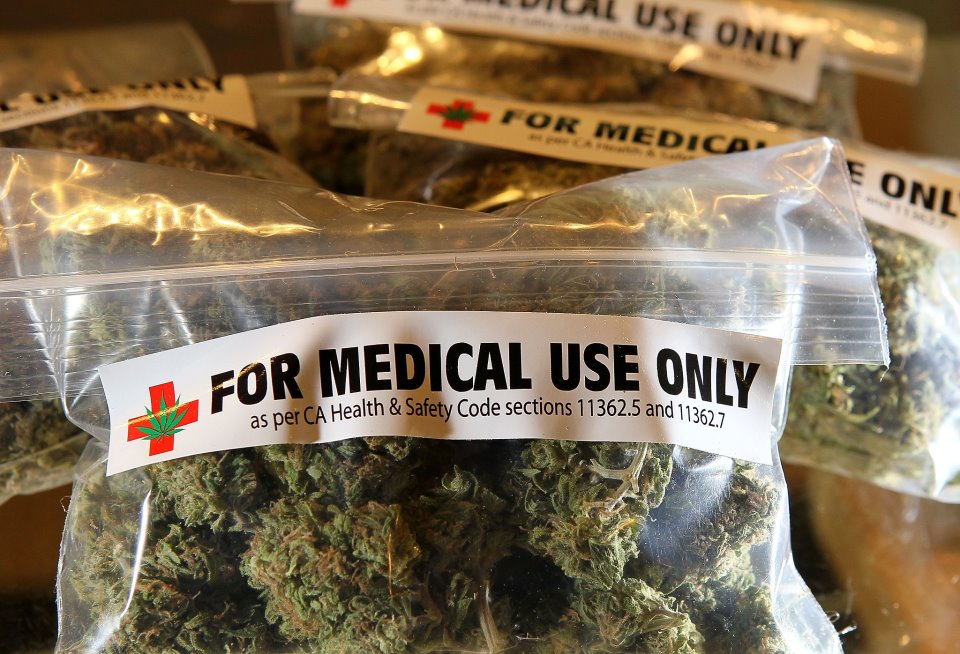


 PN
PN 