
White House plan to use churches, mosques, synagogues for vaccinations
Dr Mercola
December 7, 2011
Recently the White House Office of Faith-Based and Neighborhood Partnerships, held an invitation-only call.
The call was co-sponsored by the U.S. Health and Human Services, the Office of Minority Health, and CDC.
Conspicuously, the end of the invitation read:
“This call is off the record and is not for press purposes” – but it became public when it showed up on the HHS website.
Fortunately one of our staff was able to get on the call.
The focus of the call was on getting faith-based organizations to sponsor flu clinics with Walgreens.
Basically, they want to move inside your church, mosque or synagogue, and set up shop, with your pastor, priest, imam and rabbi on hand to convince you to get a flu shot.
As an example, they cited a priest who stopped in the middle of mass to roll up his sleeve and get vaccinated, inspiring the rest of his parish to line up behind him.
Talk to God, Get a Shot
The idea of holding out your arm and getting a shot in the middle of a worship service, with your pastoral leader urging you on, really seems to be pushing it. The reason they’re doing this, health officials said on the phone, is that they’ve found that non-traditional settings such as worship services can be highly effective in influencing people’s decisions.
Speaking directly to church leaders, Joshua DuBois, executive director of the White House Faith-Based and Neighborhood Partnership, said:
“As trusted messengers, you’re able to spread messages and help get people vaccinated.”
Zeroing in on minorities, particularly older adults, blacks and Latinos, health officials said churches, mosques and schools are places where barriers to vaccinations can be taken down, and these minorities can be convinced to get vaccinated. Besides hosting flu shot clinics, churches can also help by putting reminders in their bulletins, and by church members personally reminding others to get their shots, officials said.
They even went so far as to encourage the churches to pay people’s insurance co-pays so they’d be more inclined to get the shots. For those who simply can’t pay anything, there’ll be 300,000 free shots given out as part of the flu vaccine crusade.
Who’s funding this?
The original concept of Faith-Based and Neighborhood Partnerships, developed in 2001, was to help community leaders enhance the 1998 Initiative to Eliminate Racial and Ethnic Disparities in Health.
The partnership targets cancer screening, cardiovascular disease, diabetes, infant mortality, HIV/AIDS and vaccinations. It also originally covered complementary and alternative health care options, although that type of care, which would include health measures other than vaccines, was not even listed as an option during this phone conference.
For at least 10 years, this collaboration of community-based volunteers, nonprofit organizations and faith-based groups worked at a grassroots level in their respective neighborhoods, funded by Congress through various health care grants.
However, in 2010 the initiative took a turn with the Patient Protection and Affordable Care Act, which moved the initiative’s management to the Center for Faith-Based and Neighborhood Partnerships, paving the way for the federal government to fund and run projects like flu clinics right in your church.
Interestingly, flu shots were already covered by most insurance plans, Medicare and the Vaccines for Children (VFC) program.
But for some reason health officials have decided it’s OK to push the government into places of worship, mid-service, to sell and administer vaccines – and this no-press-allowed phone call reiterated that over and over again. I can only wonder which vaccine they’ll move into your church next, all in the name of “community health.”
The secrets out: Flu shots are hardly effective, if at all.
In February 2011, new research showed that 76 percent of white seniors get flu vaccines, with 68 percent of English-speaking Hispanic seniors getting them, and 64 percent of Spanish-speaking Hispanic seniors doing so. In the phone conference, officials emphasized that they want to increase flu vaccine coverage beyond those numbers.
But unfortunately, they neglected to mention the shocking lack of evidence supporting flu vaccines.
The truth is flu vaccines just don’t do what the CDC claims they do. I’ve written about this several times so far this year and the past few years, along with major news media like Time Health. Even the Centers for Infectious Disease Research and Policy (CIDRAP) admitted on its website on November 4, 2011 that it’s time to revise public messages regarding this vaccine.
Specifically, what happened is that a study published in the prestigious journal The Lancet revealed that flu shots provide only “moderate protection” against the flu, and in some seasons is altogether “reduced or absent.”
Specifically, the Lancet said the vaccine is about 59 percent effective. But when you break the numbers down statistically, what it really works out to is that the vaccine prevents flu 1.5 times out of 100.
That’s right. Using the Lancet’s own numbers, statistics show that the vaccine only works 1.5 times out of 100.
It’s a far cry from the 60 percent the CDC claims on its website, or the 70 to 90 percent it claimed before it changed the numbers this year. Some people call this lying with statistics, but any way you look at it the secret’s out: flu vaccine statistics just don’t add up to warrant pushing them in your church – or anywhere for that matter.
Similar/Related Articles:
- Germany Prepares for Mass Flu Vaccinations
- U.S. government panel now pushing “vaccinations for all!” No exceptions
- U.S. government panel now pushing “vaccinations for all!” No exceptions…
- MSNBC: Health Care Workers Should Stop Whining About Vaccinations
- New York Nurses Suing State Over Forced Vaccinations
- Ohio Poll shows many across the state reluctant to get H1N1 vaccine
- Educated families increasingly refusing vaccinations
- Record Number of Flu Vaccinations to be Manufactured
- Feds Plan Vaccines for All Americans by Fall
- Washington State Allows Thimerosal in H1N1 Vaccine
- Medical Mafia using financial leverage to enforce children’s vaccinations on poor families
- France Considers Mandatory Flu Vaccinations
(hat tip: Infowars)
GMO and Morgellons Disease
by Barbara H. Peterson
Global Research
March 27, 2008
Since the Clinton administration made biotechnology “a strategic priority for U.S. government backing” (1), giant transnational agri-business concerns have aggressively taken over the global food chain by flooding it with Genetically Modified Organisms (GMO) without regard for the consequences to the earth or its inhabitants. This takeover not only has the potential for global economic devastation, but threatens the earth’s population with far-reaching health concerns as well. One health concern that seems to coincide with the GMO revolution is Morgellons disease. What if the advent of Morgellons disease has something to do with the ingestion of GMO foods?
Morgellons Disease – What is it?
Very little can be found regarding this disease. Originally, sufferers were told that their problem was imaginary. This was of little comfort to the people who were suffering.
Morgellons Disease sufferers report strange, fiber-like material sticking out of sores or wounds that erupt on the skin. This is accompanied by painful, intense itching, that has been described as “an ever present sensation as if something is crawling under the skin.” (2)
On May 18, 2006, KGW, a local news channel reporting out of the Oregon area published this story:
Strange sickness: Mystery disease horror story (excerpt)
[Dr. Drottar] The disabled family practice doctor felt like bugs were crawling under her skin.
“If I fully tell people what has gone on with me medically, they think they’re in the twilight zone,” said Drottar.
She woke up with the feeling that fluid was flowing just below her skin. Often black or blue hair like fibers protruded from her skin, she said.
“I thought I had been exposed to asbestos. I thought I was having asbestos fibers come out of my skin. I was pulling long, thin, small hair-like fibers that were extremely sharp that could literally pierce through my finger nails,” Drottar said.
In addition to the feeling of bugs and the fibers, Drottar also suffered from severe depression, chronic fatigue and a weakened immune system. As a result, she had to give up her family practice, Drottar said. (3)
Here are some pictures of Morgellons lesions included in the KGW report:

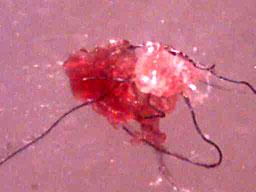
The Morgellons Research Foundation
Fibers embedded in skin removed from facial lesion of three year old boy, 60x.
 morgellonsusa.com
Photo of the fibrous structures that were in the skin of a Morgellons sufferer.
Morgellons and GMO – the Link
Little information has been revealed concerning the long-term health effects of GMO crops on humans or animals, and even less information can be had regarding research correlating Morgellons with GMO foods. This is suspicious right off the bat, because it would seem that there would be a natural curiosity regarding a link between Genetically Modified Organisms that people ingest regularly and inorganic fibers that protrude from a person’s skin. This would be right up a geneticist’s alley, and quite worthy of intensive research. So, why aren’t there a ton of published studies? Why is it so difficult finding anything related to this? Could it be that companies such as Monsanto have enough clout to effectively squash these stories? If they have enough clout to ruin countries by deceiving impoverished farmers into purchasing patented GMO seeds, and then take it a step further and force these poor people to purchase seeds year after year instead of harvesting their own, then they have enough clout to ask our more than willing corporate government to manipulate the press…again.
According to Mike Stagman, PhD,
“Genetic Engineering is a nightmare technology that has already caused MANY disease epidemics — documented but unpublicized.” (4)
Well Monsanto, you let at least one study slip through. With the help of a couple of search engines, the following article by Whitley Strieber published on October 12, 2007, titled “Skin Disease May Be Linked to GM Food” was found, which concludes that the fibers taken from a Morgellons sufferer contain the same substance that is “used commercially to produce genetically-modified plants.” Here is the article:
Skin Disease May Be Linked to GM Food
12-Oct-2007Many people—and most physicians—have written off Morgellons disease as either a hoax or hypochondria. But now there is evidence that this mysterious disease may be REAL and related to GENETICALLY MODIFIED food!
The skin of Morgellons victims oozes mysterious strands that have been identified as cellulose (which cannot be manufactured by the human body), and people have the sensation of things crawling beneath their skin. The first known case of Morgellons occurred in 2001, when Mary Leitao created a web site describing the disease, which had infected her young son. She named it Morgellons after a 17th century medical study in France that described the same symptoms.
In the Sept. 15-21 issue of New Scientist magazine, Daniel Elkan describes a patient he calls “Steve Jackson,” who “for years” has “been finding tiny blue, red and black fibers growing in intensely itchy lesions on his skin.” He quotes Jackson as saying, “The fibers are like pliable plastic and can be several millimeters long. Under the skin, some are folded in a zigzag pattern. These can be as fine as spider silk, yet strong enough to distend the skin when you pull them, as if you were pulling on a hair.”
Doctors say that this type of disease could only be caused by a parasite, but anti-parasitic medications do not help. Psychologists insist that this is a new version of the well-known syndrome known as “delusional parasitosis.” While this is a “real” disease, it is not a physically-caused one.
But now there is physical evidence that Morgellons is NOT just psychological. When pharmacologist Randy Wymore offered to study some of these fibers if people sent them to him, he discovered that “fibers from different people looked remarkably similar to each other and yet seem to match no common environmental fibers.”
When they took them to a police forensic team, they said they were not from clothing, carpets or bedding. They have no idea what they are.
Researcher Ahmed Kilani says he was able to break down two fiber samples and extract their DNA. He found that they belonged to a fungus.
An even more provocative finding is that biochemist Vitaly Citovsky discovered that the fibers contain a substance called “Agrobacterium,” which, according to New Scientist, is “used commercially to produce genetically-modified plants.” Could GM plants be “causing a new human disease?” (5)
GMO – Not on My Watch!
The giant transnational corporations behind the GMO revolution are hitting us in our most vulnerable spot – our bellies. Most people have been brought up with an innate trust that what they purchase from the stores is safe to eat. This is no longer true, since most processed foods contain genetically engineered ingredients that can have disastrous effects on both animal and human health. What you purchase from the corner store might just change your DNA and create such frightening symptoms that the general public simply does not believe it. What is worse is that when you go to the doctor to get help, he/she tells you what you are experiencing is all in your head. This is rubbish! It is up to people who care to make the correlations between what we eat and what happens to our bodies. Remember the old saying – “you are what you eat?” Well, this author believes it is true.
Notes
1) Engdahl, F.W. (2007). Seeds of Destruction.
2) Stagman, M. Phd. (2006). GMO Disease Epidemics: Bt-cotton Fiber Disease. Retrieved from http://portland.indymedia.org/en/2006/08/344305.shtml
3) Porter, L. (2006). Strange sickness: Mystery disease horror story. Retrieved from http://www.kgw.com/news-local/stories/kgw_051806_news_sweeps_strange_sickness_morgellons.53b2569a.html
4) Stagman, M. Phd. (2006). GMO Disease Epidemics: Bt-cotton Fiber Disease. Retrieved from http://portland.indymedia.org/en/2006/08/344305.shtml
5) Strieber, W. (2007). Skin Disease Might be Linked to GM Food. Retrieved from
http://www.unknowncountry.com/news/?id=6486
Barbara H. Peterson is a Writer and Activist,
http://spktruth2power.wordpress.com
Global Research Articles by Barbara H. Peterson
——————
Potent News Editor’s Note: The chemtrail phenomenon may be related to this. For more on Morgellons see MorgellonsResearchGroup.com
Agrobacterium & Morgellons Disease, A GM Connection?
by Dr. Mae-Wan Ho and Prof. Joe Cummins
Global Research
August 20, 2008
|
Preliminary findings suggest a link between Morgellons Disease and Agrobacterium, a soil bacterium extensively manipulated and used in making GM crops; has genetic engineering created a new epidemic? A fully illustrated and referenced version is posted on ISIS members’ website. Details here. An electronic version of the complete report, or any other complete ISIS report, can be sent to you via e-mail for a donation of £3.50. Please e-mail the title of the report to: report@i-sis.org.uk CDC launch investigation on Morgellons’ Disease
The Centers for Disease Control (CDC) in the United States announced the launch of an investigation on ‘Morgellons Disease’ in January 2008 [1], after receiving thousands of complaints from people with this bewildering condition, which it describes as follows [2]: “Persons who suffer from this unexplained skin condition report a range of cutaneous (skin) symptoms including crawling, biting and stinging sensations; granules, threads, fibers, or black speck-like materials on or beneath the skin, and/or skin lesions (e.g., rashes or sores). In addition to skin manifestations, some sufferers also report fatigue, mental confusion, short term memory loss, joint pain, and changes in visions.” Morgellons Disease first became known in 2001, when Mary Leitao created a web site describing the illness in her young son, which she named after a 17th century medical study in France describing similar symptoms [3]. Until then, people with Morgellons Disease have been diagnosed as cases of “delusional parasitosis”, in which the symptoms are deemed entirely imaginary, and lesions allegedly due to self-inflicted wounds. Indeed, the debate over Morgellons Disease has continued in the pages of medical and scientific journals right up to the CDC’s announcement [4-7] Dr. Michele Pearson, principal investigator for the CDC said [1] that the primary goals of the study are “to learn more about who may be affected with this condition, the symptoms they experience and to look for clues about factors that might contribute to the condition,” adding that the condition is “complex”, and “may be due to multiple factors.” In response to questions from journalists at the CDC press conference, Pearson said: “ We are aware that many patients have suffered from this condition. And, I can tell you that here at CDC, we have really been seeing an increasing number of these reports over the past year or so.” CDC’s investigation is to be carried out in conjunction with Kaiser Permanente’s Northern California Division of Research and the US Armed Forces Institute of Pathology. Dr. Joe Selby, Director of the Kaiser Permanente’s Northern California Division of Research, said the study would proceed in three stages. In the first stage, they will identify all members who may have seen a Kaiser Permanente physician with symptoms suggestive of this condition at any point during the 18 months between July 1 2006 and December 31, 2007, and determine whether they meet eligibility criteria for the study. In stage two, all eligible members will be invited to complete a comprehensive web based or telephone survey conducted by the CDC that examines the duration and severity of a variety of symptoms. And in stage three, those with active symptoms will be invited to the division of research for an extensive clinical examination including collection of skin biopsies, blood and urine samples. In a paper [6] published in 2006, researchers from the Morgellons Research Foundation [3] identified the states of California, Texas and Florida as having the highest number of cases of Morgellons disease in the United States. Primary clusters were noted in Los Angeles and San Francisco (California) and Houston, Dallas and Austin (Texas). California accounted for 26 percent of cases in the US, but all 50 US states and 15 other nations, including Canada, the UK, Australia, and the Netherlands, have reported cases of Morgellons disease. The two main occupational groups reporting symptoms are nurses and teachers, with nurses outnumbering teachers three to one. The risk factor common to both groups is suspected to be the possibility of transmitted infectious agents. Skin lesions and fibres may not be readily apparent in all individuals with the disease, as family members of patients often report similar systemic disease symptoms without skin symptoms. Families in which all members are affected often have suspected simultaneous exposure to an inciting agent. Contact with soil or waste products appears to be associated with the disease. Cases have been reported in cats and dogs, as well as horses. What finally prompted CDC to investigate the disease? The Morgellons Research Foundation [3] was set up in 2002 in honour of Mary Leitao, the Foundation’s executive director. It publicises the plight of patients with similar conditions and operates a registry of afflicted families. The Foundation also funds scientific research. It has a Medical Advisory Board of seven with M.D. degree and two with nursing degrees. In addition, it has a Board of Nursing with five other nurses, and a Scientific Advisory Board of six scientists, all with Ph.D. degree; one of which is Vitaly Citovsky. It may have been Citovsky’s discovery last year that finally persuaded the CDC to announce an investigation. The Agrobacterium connectionVitaly Citovsky is a professor of molecular and cell biology at Stony Brook University in New York (SUNY). He is a world authority on the genetic modification of cells by Agrobacterium, a soil bacterium causing crown gall disease in plants, that has been widely used in creating genetically modified (GM) plants since the 1980s because of its ability to transfer a piece of its genetic material, the T-DNA on its tumour-inducing (Ti) plasmid to the plant genome (see later for details). Citovsky’s team took scanning electron microscope pictures of the fibres in or extruding from the skin of patients suffering from Morgellons disease, confirming that they are unlike any ordinary natural or synthetic fibres (see Fig. 1, assembled from Citovsky’s website [8]). Figure 1. Scanning electron microscope images of fibres from skin biopsies of patients with Morgellons Disease – a, white fibre with calcite, scale bar 10 mm; b, green fibre with alumina ‘rock’ protruding, scale bar 20 mm; c, various ribbon-like, cylindrical and faceted fibres all coated with minerals, scale bar 10 mm; d, skin lesion with fibres stabbing through the epidermis, scale bar 300 mm They also analysed patients for Agrobacterium DNA. Skin biopsy samples from Morgellons patients were subjected to high-stringency polymerase chain reaction (PCR) tests for genes encoded by the Agrobacterium chromosome and also for Agrobacterium virulence (vir) genes and T-DNA on its Ti plasmid. They found that “all Morgellons patients screened to date have tested positive for the presence of Agrobacterium, whereas this microorganism has not been detected in any of the samples derived from the control, healthy individuals.” Their preliminary conclusion is that “Agrobacterium may be involved in the etiology and/or progression” of Morgellons Disease. The unpublished findings have been posted on a website [8] since January 2007. They were further publicized in the “first ever” Morgellons conference in Austin Texas, attended by 100 in March 2008 [9]. A growing list of people are registered with Morgellons Disease, totalling 12 106 worldwide recorded by Morgellons Research Foundation [3], as of 12 April 2008. San Francisco physician, Raphael Stricker, one of only a few doctors who believe the disease is real, said [9]. “There’s almost always some history of exposure to dirt basically either from gardening or camping or something.” He is one of the co-authors on the Agrobacterium research done in SUNY, which reported finding Agrobacterium DNA in all 5 Morgellons patients studied. Stricker suggests it is transmitted by ticks, like Lyme disease, and in a recent survey of 44 Morgellons patients in San Francisco, 43 of them also tested positive for the bacterium causing Lyme disease. Another factor consistent with Agrobacterium being a causative agent, if not the causative agent, is that when patients are treated with antibacterials for their Lyme disease, remission of Morgellons symptoms is seen in most of them [6]. Stricker also told his audience that Agrobacterium lives in the soil, and is known to cause infections in animals and human beings with compromised immune systems. It can cause skin lesions when injected into Swiss mice, a strain that is immune deficient, he said. At this point, the findings on the Agrobacterium connection are still preliminary, as only seven patients have been studied. Nevertheless, the implications are far-reaching if this connection is confirmed, as existing evidence (reviewed below) suggests a link between Agrobacterium and genetic engineering in the creation of new disease agents, and it is paramount for the CDC investigation to include this aspect, if only to rule it out. Agrobacterium and the genetic engineering connectionAgrobacterium not only infects human and other animal cells, it also transfers genes into them. It was SUNY professor Citovsky and his team that made the discovery some years ago [10]. Until then, the genetic engineering community had assumed that Agrobacterium did not infect animal cells, and certainly would not transfer genes into them. Agrobacterium was found to transfer T-DNA into the chromosomes of human cells. In stably transformed HeLa cells, the integration occurred at the right border of the T-DNA, exactly as would happen when it is being transferred into a plant cell genome, suggesting that Agrobacterium transforms human cells by a mechanism similar to that involved in transforming plants cells (see Box 1). Human cancer cells, neurons and kidney cells were all transformed with the Agrobacterium T-DNA. Commenting on this research in 2001, Joe Cummins had warned of hazards to laboratory and farm workers [11] (i-sis news11/12) The Agrobacterium vector system for gene transferSince the discovery in the 1970s that Agrobacterium can transfer genes into plants causing crown gall disease, the soil bacterium has been developed into a vector for inserting desirable genes into the plant genome to create transgenic (GM) plants [12]. Agrobacterium transfers T-DNA – a small region of approximately 5 to 10 percent of a resident tumour-inducing (Ti) or root-inducing (Ri) plasmid – into numerous species of plants; and as later turns out, also to fungi, algae, and even animal and human cells [13, 14] (see main text). Transfer requires three major elements [13]: T-DNA border direct repeat sequences of 25 base pairs that flank the T-DNA and delineate the region transferred into the host, the virulence (vir) genes located on the Ti/Ri plasmid, and various genes on the bacterial chromosome. Plant genes are also involved in the successful integration of T-DNA [15]. The T-DNA contains oncogenes (cancer genes or gene for forming tumours) and genes for synthesizing opines; none of which is essential for T-DNA transfer, so they can be deleted and replaced with genes of interest and selectable markers. Furthermore, the vir genes and T-DNA region need not be on the same replicating plasmid. This gave rise to the binary vector systems in which T-DNA and the vir genes are located on separate replicating units. The T-DNA containing unit is the binary vector and contains also the origin(s) of replication that could function both in E. coli and Agrobacterium tumefaciens, and antibiotic resistance marker genes used to select for the presence of the binary vector in bacteria. The replicating unit containing the vir genes is the ‘helper’ plasmid. Strains of Agrobacterium harbouring the two separate units are considered ‘disarmed’ if they do not contain oncogenes that could be transferred to a plant. The association of Morgellons Disease with dirt and soil where Agrobacterium lives, the widespread use of Agrobacterium in genetic engineering of plants, and the ability of Agrobacterium to infect human cells, all point towards a possible role of genetic engineering in the aetiology of Morgellans disease via Agrobacterium. Extensive genetic manipulation of Agrobacterium does have the potential to transform it into an aggressive human pathogen. Genetic engineering is nothing if not enhanced and facilitated horizontal gene transfer and recombination, which is widely acknowledged to be the main route for creating new pathogens. Mae-Wan Ho was among an international panel of scientists have raised this very issue in 1998, calling for a public enquiry into the possible contributions of genetic engineering biotechnology to the aetiology of infectious diseases which has greatly increased since genetic engineering began in the 1970s [16]. The epidemiological data of Morgellons Disease are very incomplete, and the Morgellons Research Foundation’s registry of more than 12 000 families afflicted worldwide is almost certainly only a fraction of the emerging epidemic. Still, it is significant that the majority of the cases are in the United States, the first country to release GM crops and remaining the top producer ever since. There are other findings implicating Agrobacterium in transgenic plants released into the environment, particularly during the early years of field trials, when knowledge was poor and safety measures not as stringent as they may be today. Agrobacterium persists in transgenic plants and is a vehicle for gene escapeBy the late 1990s, the Agrobacterium vector system became very widely used, and many GM crops created were commercially released. Scientists at the Kinsealy Research and Development Centre in Dublin, Ireland, and the Scottish Crop Research Institute in Dundee, Scotland, were concerned that the inserted genes in plants would spread to wild populations by cross-pollination or by horizontal gene transfer to unrelated species, which was by then well-documented in the scientific literature. They considered it “imperative” to address the risk posed in using Agrobacterium as a tool in genetic engineering [17], given its ability to transfer genes to plants. The transformation procedure involves inoculating the cells or tissue explants with Agrobacterium and co-cultivation the plant cells and bacterium for a short period, followed by the elimination of the bacterium with antibiotics. However, if all the bacteria were not eliminated, then “release of these plants may also result in release of the Agrobacterium [with the foreign genes]”, which will serve as a vehicle for further gene escape, at least to other Agrobacterium strains naturally present in the soil. Although various antibiotics have been used to eliminate Agrobacterium following transformation, the researchers stated that “very few authors actually test to ensure that the antibiotics succeed.” The difficulty is compounded because the bacterium can remain latent within the plant tissue. So putting transgenic plant material into culture medium without antibiotics and finding no Agrobacterium is no guarantee that the transgenic plant is free of the bacterium, as was often assumed. In their study, they investigated the ability of antibiotics to eliminate Agrobacterium tumefaciens after transformation in three model systems: Brassica (mustard), Solanum (potato), and Rubus (raspberry). The antibiotics carbenicillin, cefataxime and ticaracillin were used respectively to eliminate the bacterium at four times the minimum bactericidal concentration, as recommended. They found that none of the antibiotic succeeded in eliminating Agrobacterium. The contamination levels increased from 12 to 16 weeks to such an extent that transgenic Solanum cultures senesced and died. Contamination in shoot material decreased over 16 to 24 weeks possibly because only the apical node was used in further culture, but even that did not eliminate Agrobacterium from all the samples; 24 percent remained contaminated at 24 weeks. The binary vector was also present under non-selective conditions up to 6 months after transformation, where approximately 50 percent of contaminated material still harboured bacterial cells with the binary vector at high levels of about 107 colony forming units per gram. The researchers pointed out: “Here is where the possibility of gene escape arises. The presence of the disarmed Agrobacterium in the tissue would not be a problem if the binary vector had been lost, but now its survival and spread are real possibilities.” The binary vector contains the foreign genes as well as antibiotic resistance marker gene(s). There is no limit to the foreign genes that can be inserted into the binary vector. A few years earlier, a research group in Israel had inserted a viroid that causes disease in citrus fruits into the disarmed Ti plasmid of Agrobacterium and used that to infect and transform several plant species including tomato (Lycopersicon esculentum) Gynura aurantiaca, avocado (Persea americana), and grapefruit (Citrus paradisi) grafted on Troyer citrange (Pancirus trifoliate x C. sinensis) [18]. Extracts prepared from tissues of the infected plants 38-90 days after inoculation were plated on selective media and found to contain large amounts of the engineered bacteria. The researchers warned of “newly formed combinations of persistently transmitted viruses” coupled with “the opportunistic and systemically moving Agrobacterium vector infectious to a wide host range might eventually cause infection and damage to crop plants or natural vegetation” that are “not presently visited by the traditional vectors of the virus disease.” In other words, Agrobacterium persisting in transgenic plants released into the environment has the potential to spread new diseases, and to plants that normally would not be infected by the disease agents. At the time, the researchers did not know that Agrobacterium would also infect animals and humans, and could spread new diseases to them as well. Have these warnings been heeded by other researchers? There is no evidence they have been taken on board. Agrobacterium has since been shown to transform at least 80 different non-plant species including yeasts and other fungi, algae, mammalian and human cells, also the gram positive bacterium Streptomyces lividans. In a recent review, the researchers stated [14]: “Future research has to show whether Agrobacterium-mediated transformation contributed to horizontal gene transfer between microorganisms in the rhizosphere.” But there is already evidence suggesting that Agrobacterium can indeed engage in horizontal gene transfer with a wide range of bacteria in the soil. (For more on horizontal gene transfer see [19] Horizontal Gene Transfer from GMOs Does Happen, SiS 38) Agrobacterium gene transfer mechanisms similar to conjugation in bacteriaHo first alerted regulators to the potential of Agrobacterium contaminating GM plants to facilitate the escape of transgenes in 2003 (see Living with the Fluid Genome [20] and The Case for A GM-Free Sustainable World [21] ISIS publications). By then, Gayle Ferguson and Jack Heinemann at the University of Canterbury, Christchurh, New Zealand, had already pointed out in a review that the process whereby Agrobacterium injects T-DNA into plant cells strongly resembles conjugation, the normal mating process between bacteria [22]. Conjugation, mediated by certain bacterial plasmids, depends on a sequence called the origin of transfer (oriT) on the DNA transferred. All other functions – called tra for trans-acting functions – can be supplied from unlinked sources. Thus, ‘disabled’ plasmids with no trans-acting functions, can nevertheless be transferred by helper plasmids, the same as the binary vector system of Agrobacterium (Box 1). The resemblance does not stop there. The left and right borders of T-DNA are similar to oriT and can be replaced by it. Furthermore, the disarmed T-DNA binay vector, lacking oncogenes as well as virulence genes, can be helped by similar genes belonging to many other pathogenic bacteria. The trans-kingdom gene transfer apparatus of Agrobacterium and the conjugative systems of bacteria are both involved in transporting macromolecules, not just DNA but also protein. Thus, transgenic plants with contaminating Agrobacterium [20] “have a ready route for horizontal gene escape, via Agrobacterium, helped by the ordinary conjugative mechanisms of many other bacteria that cause diseases, which are present in the environment.” In the process, new and exotic disease agents could be created. Investigations on the role of Agrobacterium in Morgellons Disease urgently neededThe investigation launched by the CDC needs to clarify the role of Agrobacterium in the aetiology of Morgellons Disease as a matter of urgency. This should include:
|
|
| Global Research Articles by Mae-Wan Ho | |
| Global Research Articles by Joe Cummins |
———————–
Potent News Editor’s Note: The chemtrail phenomenon may be related to this. For more on Morgellons see MorgellonsResearchGroup.com
5 popular but harmful drugs that can be replaced with marijuana
This article is dedicated to anyone that struggles with prescription drugs on this list because they are afraid of consuming a plant deemed illegal by the State.
Activist Post
December 3, 2011

- Cannabis is simply the best natural remedy to safely treat many ailments
The notion that any authority can determine what a sovereign human being can and cannot ingest into their own body is the very essence of control. Banning any substance from responsible adult consumption no matter how harmful should simply not be permitted in a free society.
However, certain substances are deemed so harmful by “experts” that they claim to adversely affect society as a whole and thus they’re banned from the population. Of course, force of laws with guns and jails have never been able to eliminate their use throughout history. So, as a practical matter, banning any substance from society always tends to do more harm than good.
The utter failure that is the war on drugs seems to have ulterior motives besides protecting society, as evidenced by the countless harmful chemicals that are legal to consume. Marijuana is the most obvious example of a substance that remains illegal not because of health threats, or because it’s a danger to society, but rather because its benefits threaten entire industries, especially Big Pharma.
If you need a fix to ease pain, depression, anxiety, sleep disorders and a host of other ailments, then a legal drug dealer is happy to sell you a chemical concoction with endless side effects. Recent studies show huge spikes in psychiatric drug use, as well as addiction to prescription pain pills, yet they remain legal and doctors get incentives to push them.
In nearly every case, marijuana is a safer alternative and just as effective. When eaten or vaporized, cannabis has proven entirely beneficial as a natural alternative. Here are 5 popular but dangerous drugs that could, in most cases, be replaced by cannabis.
1. Painkillers: Vicodin, Demerol, Oxycontin, or Percodan are used to treat moderate or severe pain. They’re all highly addictive and come with side effects that vary widely from stomach problems, dizziness, depression, pain and spasms, to even death. Marijuana is a proven pain reliever that takes the edge off even the most severe pain. It is not physically addictive, has very few side effects by comparison, and has never caused a single death in 5000 years of recorded use.
2. Tranquilizers: Valium, Xanax, and Ambien are examples of popular anti-anxiety drugs. All Americans will likely know someone close to them who are dependent on these drugs to cope with daily life. The side effects are similar to anti-depressants and painkillers; stomach and liver problems, depression or suicidal thoughts, dizziness and confusion, etc. Marijuana is an excellent substitute for these temporary anxiety relievers, again with far fewer negative effects.
3. Alcohol: Alcohol is the most commonly used and accepted substance for self-regulated stress relief. It’s used by countless Americans to take the edge off a long work day, and also by many soldiers seeking to relieve Post Traumatic Stress Disorder (PTSD). Alcohol is highly addictive and causes many long-term problems like high blood pressure and liver failure. Marijuana has proven to be far safer and more effective in reducing stress, especially among PTSD sufferers.
4. Anti-depressants: Prozac, Zoloft, Elavil, or Paxil are popular anti-depressants that a huge portion of the population are now dependent on. Side effects like nausea and sexual dysfunction are common, while suicidal tendencies are also increased tremendously, which seems to negate their very purpose. These selective serotonin reuptake inhibitors (SSRIs) reduce the body’s ability to produce natural serotonin and can be difficult for people to find a healthy balance once they rid the drug from their system. Marijuana, although a temporary anti-depressant, is far less dangerous and may result in instant happiness bordering on silliness.
5. Aspirin and Tylenol: These commonly-used over-the-counter drugs for minor aches and pains cause stomach problems like ulcers, liver damage, and even death. That’s right, Tylenol causes about 450 deaths a year and Aspirin causes a whopping 13,000 deaths per year from sudden bleeding. Many natural alternatives can be used for the symptoms that these drugs ease, and marijuana is just one of the safer options — with none of the damaging side effects.
As you can see, marijuana, which can be easily grown in nearly every climate, is a huge threat to these billion-dollar-a-year drugs. And this list represents a tiny fraction of the harmful pharmaceuticals that can be replaced by cannabis. To claim that cannabis is more dangerous than any of these popular legal substances is blatantly false, thus there’s no reason for its prohibition other than the threat of competition to Big Pharma.
Thankfully, you’re not a criminal in over a dozen states if you use marijuana in place of them. And surely, it’s only a matter of time before it’s obvious to everyone that marijuana users should not be labeled criminals no matter what they use it for.
Psychiatrist calls for lithium to be added to Ireland’s water
(hat tip: Infowars)
GORDON DEEGAN
Irish Times
December 2, 2011
COMMENT: Among other rationales, so-called experts justify the lithium proposal on the assumed success of water fluoridation, which itself has proved to be a menace rather than benefit.
RELATED: Fox News Covers Mass Drugging of Society with Lithium
RELATED: Oxford professor calls for drugging water supply
RELATED: New York Times and Other Media Pushing for Drugging Water Supply
RELATED: Japanese Researchers Suggest Putting Lithium in Drinking Water
A consultant psychiatrist last night called on Government to add lithium salts to the public water supply in a bid to lower the suicide rate and depression among the general population.
At a mental health forum on “Depression in Rural Ireland” in Ennistymon, Co Clare, Dr Moosajee Bhamjee said that “there is growing scientific evidence that adding trace amounts of the drug lithium to a water supply can lower rates of suicide and depression”.
Lithium is used by doctors as a mood stabiliser in the treatment for depression.
Dr Bhamjee said: “A recent article in the British Journal of Psychiatry found the beneficial uses of lithium when it was added to the water supply in parts of Texas.”
Lithium in drinking water and the incidences of crimes, suicides, and arrests related to drug addictions.
Schrauzer GN, Shrestha KP.
Source
Department of Chemistry and Biochemistry, University of California at San Diego, Revelle College, La Jolla 92093.
Abstract
Using data for 27 Texas counties from 1978-1987, it is shown that the incidence rates of suicide, homicide, and rape are significantly higher in counties whose drinking water supplies contain little or no lithium than in counties with water lithium levels ranging from 70-170 micrograms/L; the differences remain statistically significant (p less than 0.01) after corrections for population density. The corresponding associations with the incidence rates of robbery, burglary, and theft were statistically significant with p less than 0.05. These results suggest that lithium has moderating effects on suicidal and violent criminal behavior at levels that may be encountered in municipal water supplies. Comparisons of drinking water lithium levels, in the respective Texas counties, with the incidences of arrests for possession of opium, cocaine, and their derivatives (morphine, heroin, and codeine) from 1981-1986 also produced statistically significant inverse associations, whereas no significant or consistent associations were observed with the reported arrest rates for possession of marijuana, driving under the influence of alcohol, and drunkenness. These results suggest that lithium at low dosage levels has a generally beneficial effect on human behavior, which may be associated with the functions of lithium as a nutritionally-essential trace element. Subject to confirmation by controlled experiments with high-risk populations, increasing the human lithium intakes by supplementation, or the lithiation of drinking water is suggested as a possible means of crime, suicide, and drug-dependency reduction at the individual and community level.
————————————-
Similar/Related Articles:
- Japanese Researchers Suggest Putting Lithium in Drinking Water
- Shocker: Feminizing-uranium, fluoride & lithium in water to be exposed on Ventura TV show
- Health Authorities Want Depression-Causing Drugs Added To Water Supply
- Fox News Covers Mass Drugging of Society with Lithium
- New York Times and Other Media Pushing for Drugging Water Supply
- Too Much Fluoride in the Drinking Water
- Radiation Found In San Francisco, CA Tap Water – 18,100% Above Drinking Water Limit
- Mystery Substance Found in Chinese Fluoride Added to Massachusetts Water
- Oxford professor calls for drugging water supply
- World Health Organization: Fluoridate Water-Supply Population-Specifically
- Man Quits Job Over Water Fluoride
- Teenagers want fluoride-free water
More than 20 percent of American adults now on psychiatric drugs for behavioral problems
Jonathan Benson
Natural News
November 30, 2011
(NaturalNews) Prescription drug addiction is a very serious problem in the US, and is typified in part by the more than 20 percent of American adults that are now hooked on pharmaceuticals for conditions like anxiety and depression. A new study conducted by Medco Health Solutions Inc., a pharmacy benefits management company, has found that one in five adults — and one in four women — now regularly takes at least one drug for psychiatric or behavioral disorders.
The findings, which are based on data compiled of 2.5 million patients, found that the use of behavioral drugs among adults has skyrocketed by 22 percent since 2001. The majority of adults taking behavioral drugs are still women aged 45 years or older, but many men are now taking them as well — and based on current trends, such drug use in general is expected to continue to increase.
It used to be that attention deficit hyperactivity disorder (ADHD) drugs like Ritalin, Dexedrine, and Adderall were prescribed primarily to young children. But now middle-aged adults are apparently a primary target as well, as the use of both ADHD and antipsychotic drugs among 20- to 44-year-olds has more than tripled within the past decade.
More women than men currently take drugs for bipolar disorder and schizophrenia, which include Zyprexa, Risperdal, and Abilify. But the use of these drugs among men has risen fourfold within the past ten years. On the flip side, prescriptions for ADHD drugs, which have typically been more popular among males, have risen by 250 percent among females since 2001.
It is pretty clear where all this is going. The drug lords and their army of drug dealers within the mainstream medical system are in the business of getting as many people hooked on prescription drugs as possible. Millions of Americans have already been pimped to the medical mafia, and the system is working to hook the rest by whatever means possible.
Mental health screening programs have been an effective way for Big Pharma to recruit new drug users, as these screenings often detect “problems” in younger children that are not actually problems, or at least not the kind that require medication with mind-altering drugs (http://www.naturalnews.com/033969_m…). And yet these screenings have been critical in expanding the ranks of prescription drug users.
Sources for this article include:
http://www.google.com/hostednews/ap…
Articles Related to This Article:
• The FDA Exposed: An Interview With Dr. David Graham, the Vioxx Whistleblower
• Psychiatric Drugs: Chemical Warfare on Humans – interview with Robert Whitaker
• FDA accused of suppressing drug safety information (commentary)
Here we go again: Climategate 2.0
Madison Ruppert
End the Lie
November 23, 2011
 A mere two years after the original Climategate which exposed massive deception perpetrated by the scientists promulgating the theory of anthropogenic global warming, a massive batch of previously unreleased hacked emails have been released.
The emails were hacked by an unknown entity and contain private correspondence between both British and American scientists at the Climatic Research Unit (CRU) at the University of East Anglia (UEA).
This comes a mere five days before almost 200 countries are sending delegates to Durban, South Africa to attempt to come to an agreement on a new internationally recognized global warming treaty which would create the current treaty which is going to expire next year, called the Kyoto Protocol.
The major so-called scientists exposed in the original Climategate scandal return with a vengeance including Michael Mann, Ken Trenberth, Ben Santer, Phil Jones, Keith Briffa and Tom Wigley revealing the fact that they once again are deceiving the public.
The new dump of emails paints the promoters of man-made global warming in quite an ugly light indeed, showing that they are continuing to exaggerate the extent of global warming by privately admitting that the evidence in support of their position is quite lacking indeed.
As James Delingpole, a blogger for the British Telegraph, aptly put it, “what these emails confirm is that the great man-made global warming scare is not about science but about political activism.”
Yet the promoters of the anthropogenic global warming theory that is abused by criminals like Al Gore in order to rob the world blind in the name of saving the world continue to pretend it is based on hard science.
Somewhat unsurprisingly, the George Soros funded Media Matters continues to promote the discredited Intergovernmental Panel on Climate Change (IPCC) and its recent report that claims “climate change will likely worsen certain extreme weather events like heat waves, floods, droughts and storms.”
Hopefully the rest of the media will not be ignorant enough to ignore the massive and widespread fraudulent activity of the scientists involved in promoting the man-made global warming theory.
That being said, the British Independent writes that, “A series of reviews in Britain and the US later cleared researchers of any scientific impropriety and said the affair had not undermined the scientific basis of global warming,” although to anyone who read the emails this conclusion seems a bit absurd.
UEA did not yet officially confirm if the emails were real while saying that they indeed “had the appearance” of being part of the batch of original Climategate emails that were released in 2009.
The emails date from before 2009 and are between the foremost researchers in the field of climate change in both the United States and the United Kingdom, which includes a leading figure in the IPCC and former head of the UK Met Office, Sir John Houghton.
Of course so-called climate experts are claiming that, once again, the emails do not undermine the anthropogenic global warming theory, regardless of the fact that, as the Independent puts it, they “show climate scientists squabbling, politicking, calling each other names and, in effect, plotting how to present their information in the best possible light.”
If the data was truly there, the science would be irrefutable and there would be no need to attempt to put information in “the best possible light.”
Did Newton scheme about how to present his information in order to give the best possible impression? Of course not, if it is true science, there is no need for politicking and “plotting how to present their information in the best possible light.”
To any real scientist, this should be an affront to everything that science stands for, yet Bob Ward of the London School of Economics’ Grantham Research Institute on Climate Change claims, “The emails… do not raise any questions of substance that have not already been addressed by the independent inquiries into the original publication of hacked messages in November 2009.”
“None of the inquiries found evidence of fraud or serious misconduct by climate researchers, but they did conclude that levels of transparency should be improved. These emails, like the last batch, show that climate researchers are human and prone to the same rivalries and disputes that occur in many professions,” Ward told the Independent.
How can Ward make such a clearly demonstrably false assertion? I’m not quite sure but it appears he has a dogmatic attachment to the theory of man-made global warming that allows him to completely set aside reality in favor of his manufactured paradigm.
For instance, Geoff Jenkins who was formerly the head of climate change prediction at the UK Met Office’s Hadley Centre wrote, “Would you agree that there is no convincing evidence for Kilimanjaro glaciermelt being due to recent warming (let alone man-made warming)?”
Phil Jones, the Director of the Climatic Research Unit at the University of East Anglia wrote, “Observations do not show rising temperatures throughout the tropical troposphere unless you accept one single study and approach and discount a wealth of others. This is just downright dangerous. We need to communicate the uncertainty and be honest. Phil, hopefully we can find time to discuss these further if necessary […]”
How exactly does discounting a “wealth” of studies showing no rise in temperatures in the tropical troposphere “not raise any questions of substance that have not already been addressed” as Ward asserts?
Jones also made a quite damning comment in writing, “I’ve been told that IPCC is above national FOI Acts [such as Freedom of Information Act (FOIA) requests which would require giving information to the public]. One way to cover yourself and all those working in AR5 would be to delete all emails at the end of the process.”
If the science is legitimate, what need would there be to delete any emails? I’m not sure how Ward and others can take such blatant examples of misconduct in stride.
Another example of the science being discounted by the second Climategate leak is seen when the researchers mention the snow and ice cover on Mount Kilimanjaro which Al Gore cited as proof of man-made global warming in his propaganda film “An Inconvenient Truth.”
As Anthony Watts covered (also see this article), an email from Phil Jones to Geoff Jenkins of the UK Met Office reads, “I’ve heard Lonnie Thompson talk about the Kilimanjaro core and he got some local temperatures – that we don’t have access to, and there was little warming in them. The same situation applies for Quelccaya in Peru and also some of his Tibet sites. Lonnie thinks they are disappearing because of sublimation, but he can’t pin anything down.”
Jenkins wrote, “I got [P]hilip [B]rohan to look at temps there (see attached) and there isn[‘]t any convincing consistent recent warming in the station data. […] would you agree that there is no convincing evidence for [K]ilimanjaro glacier melt being due to recent warming (let alone man-made warming)?”
Clearly the science of climate change is far from settled and the claims being made by so-called climate change experts are far from accurate and truthful.
I find it somewhat disturbing that these “scientists” would be so comfortable deceiving the entire world in order to justify an enormous scam like carbon trading.
I sincerely hope that the establishment media doesn’t choose to ignore or selectively cover this latest leak as it is damning evidence showing that the theory of anthropogenic climate change is far from the iron-clad science they are making it out to be.
If you would like to explore the leaked emails yourself, take a look here where they are all made available to the public and even available to search or browse through.
I encourage anyone and everyone to actually take it upon themselves to look through these and decide for yourself if you side with the so-called experts or those who think that science shouldn’t be a politicized and misrepresented field.

 PN
PN 