
U.S. House of Rep. Shamefully Passes CISPA; Internet Freedom Advocates Prepare for a Battle in the Senate
 Activist Post
April 18, 2013
Dave Maass and Mark M. Jaycox
EFF
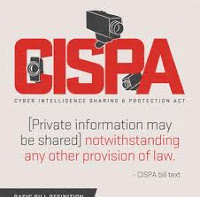
Today, Internet freedom advocates everywhere turned their eyes to the U.S. House of Representatives as that legislative body considered the Cyber Intelligence Sharing and Protection Act.
For the second year in a row, the House voted to approve CISPA, a bill that would allow companies to bypass all existing privacy laws to spy on communications and pass sensitive user data to the government.
The Electronic Frontier Foundation condemns the vote in the House and vows to continue the fight in the Senate.
“CISPA is a poorly drafted bill that would provide a gaping exception to bedrock privacy law,” EFF Senior Staff Attorney Kurt Opsahl said. “While we all agree that our nation needs to address pressing Internet security issues, this bill sacrifices online privacy while failing to take common-sense steps to improve security.”
The legislation passed 288-127, despite a veto threat from Pres. Barack Obama, who expressed serious concerns about the danger CISPA poses to civil liberties.
“This bill undermines the privacy of millions of Internet users,” said Rainey Reitman, EFF Activism Director. “Hundreds of thousands of Internet users opposed this bill, joining the White House and Internet security experts in voicing concerns about the civil liberties ramifications of CISPA. We’re committed to taking this fight to the Senate and fighting to ensure no law which would be so detrimental to online privacy is passed on our watch.”
EFF extends its deep gratitude to the many organizations that have worked with us on this campaign and the tens of thousands of EFF members who helped us by contacting Congress to oppose CISPA. We look forward to continuing to fight by your side in defense of civil liberties as CISPA moves to the Senate.

 PN
PN 
I think its insane that people are so apathetic towards legislature like this being passed. 63% of Canadians said they would rather give up personal privacy to ensure safety… but really what are the odds that this surveillance would actually help in terms of public security? The gaps are too big and the legislature could be used much more easily for corporate exploitation than anti-violence. And the saddest part is that most North Americans really have no idea that this is going on in the first place, but even if they did; how many would actually care about it?
LikeLike
April 21, 2013 at 12:53 AM